When Purpose Meets Profit
Michael HileyCreating sustainable creative business—and moving beyond the starving artist myth.
The choice between meaningful work and profitable work is false dichotomy that keeps creators trapped in either financial struggle or soul-crushing compromise. Purpose-driven business requires viewing money as creative tool rather than corrupting force, as resource that enables rather than undermines authentic expression.
"Strategy is about making choices and trade-offs; it's about deliberately choosing to be different," observes Douglas Davis in Creative Strategy and the Business of Design. Profitable purpose emerges through strategic differentiation, not generic appeal.
Moving Beyond the Starving Artist Myth
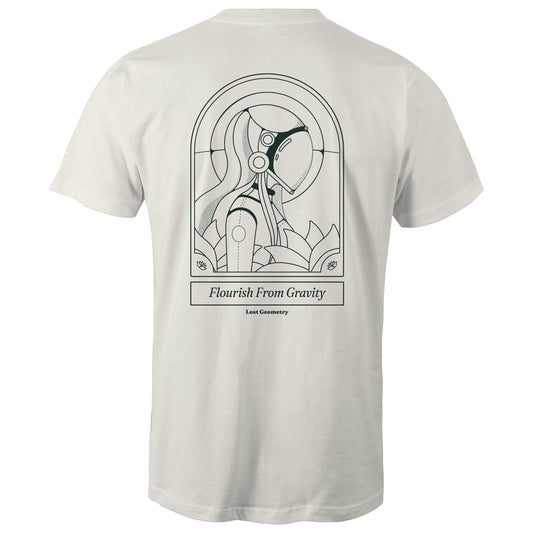
The Lost Geometry brand purpose illustration shows how sustainable creative career aligns mission with market realities. Purpose without profit often remains hobby. Profit without purpose often becomes unsustainable.

Creative entrepreneurship involves finding intersection between what you're uniquely qualified to offer and what people genuinely need. This sweet spot creates both meaning and money.
Value-Based Pricing
Value-based work means pricing according to transformation you provide rather than time you spend. When your work solves real problems or creates genuine value, people willingly pay for results rather than just effort.
This requires clear understanding of who you serve and how you serve them. Generic services compete on price. Distinctive services command premium pricing because they deliver unique value.
Money as Creative Tool
Meaning and money integrate when you recognise financial resources as enablers of greater creative freedom, not compromises of creative integrity. Money buys time, tools, education, and space that can amplify your creative impact.
The scarcity mindset treats money as limited resource you must compete for. The abundance mindset treats money as energy that flows toward value creation. Which mindset you operate from determines both financial results and creative satisfaction.
Creating Sustainable Creative Business
Purpose-driven business requires systems thinking—understanding how different business elements support each other:
Clear value proposition — Articulating exactly how you help specific people achieve specific outcomes.
Sustainable pricing — Charging enough to maintain quality while remaining accessible to ideal clients.
Efficient operations — Streamlining business processes so more time can be spent on creative work.
Strategic marketing — Reaching people who genuinely benefit from your work rather than trying to appeal to everyone.
Authentic Business Development
Building profitable creative business doesn't require compromising authenticity—it requires becoming more authentically valuable. This means developing skills, refining your offering, and communicating clearly about what you provide.
The most sustainable creative businesses solve real problems through authentic expression. They succeed not by pandering to market demands but by serving genuine needs in distinctively valuable ways.
When purpose meets profit, both elements strengthen each other. Purpose provides direction and energy. Profit provides resources and sustainability. Together they create conditions for long-term creative impact.
How could you better align your creative work with genuine market needs without compromising your authentic expression?