When Creativity Meets Consciousness
Michael HileyMindful approaches to creative practice—and presence in creative work.
Most creative advice focuses on technique, productivity, or inspiration management. But the deepest creative breakthroughs emerge when consciousness itself becomes your primary creative tool. Conscious creativity means creating from present-moment awareness rather than habitual patterns or emotional reactivity.
"Spiritual energy is ignited by living in alignment with your deepest values," observe Jim Loehr and Tony Schwartz in The Power of Full Engagement. Mindful creation aligns creative expression with authentic consciousness rather than external expectations.
Conscious vs Unconscious Creation
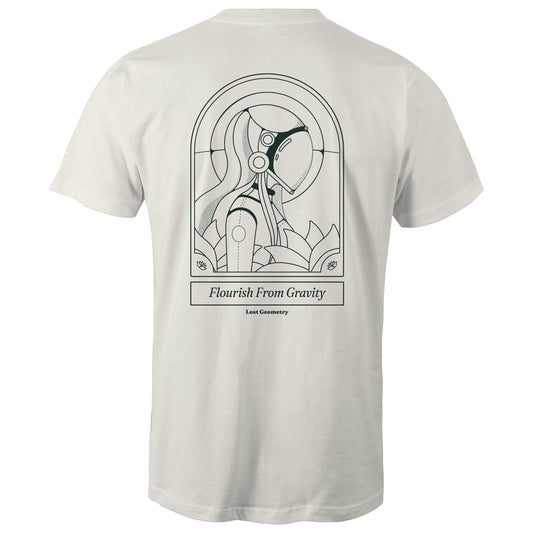
The conscious creativity illustration shows how aware creation operates from spacious presence rather than compulsive productivity. This doesn't slow the creative process—it deepens it.
Present moment creativity means staying connected to what's actually happening during creative work rather than mentally rehearsing outcomes or replaying past attempts.
How Mindfulness Enhances Creativity
The meditation art imagery represents how creative awareness draws from the same spacious attention that meditation cultivates. Both require noticing what arises without immediately judging or controlling it.

Meditation and creativity share essential qualities: openness to what emerges, willingness to let go of preconceptions, and ability to work with rather than against natural creative flow.
Presence in Creative Practice
Mindful creation involves bringing full attention to each moment of creative engagement:
Sensory awareness — Noticing physical sensations, visual details, sounds, and textures involved in creative work.
Emotional presence — Staying connected to feelings that arise during creation without being overwhelmed by them.
Mental spaciousness — Observing thoughts and judgments without being dominated by critical voice or anxious planning.
Intuitive receptivity — Remaining open to guidance that emerges from beyond conscious intention.
Meditation as Creative Tool
Regular meditation practice develops qualities essential for creative work: sustained attention, tolerance for uncertainty, capacity to begin again when things don't work, and trust in natural unfolding processes.
This doesn't require formal meditation practice but does require cultivating meditative qualities during creative work—patience, presence, curiosity, and willingness to work with what actually emerges rather than forcing predetermined outcomes.
Awareness-Based Creativity
Consciousness as creative tool means using awareness itself as primary instrument rather than relying solely on skill, knowledge, or inspiration. This creates access to creative resources that technical training alone cannot provide.
When creativity meets consciousness, you create from wholeness rather than fragment—integrating mind, body, emotion, and intuition into unified creative expression. This produces work that carries life force as well as technical competence.
The deepest creative satisfaction comes not from perfect execution but from authentic expression emerging through conscious engagement with creative process itself.
How would your creative work change if you approached it as meditation in action?